


Huzhujinquan Distillery
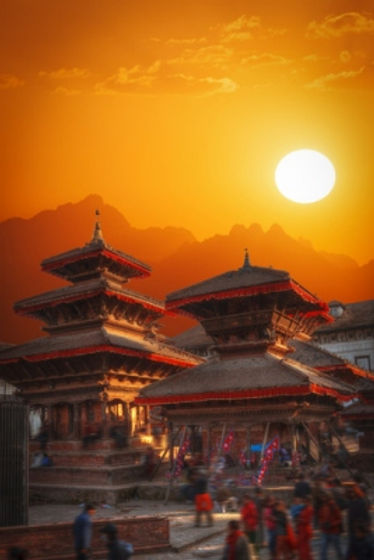
At more than 2,500m above sea level, on The Tibetan Plateau and in the shadow of the revered Ta’er Monastery, the Huzhujinquan Distillery has been crafting spirits from Tibetan barley for over a century.
Guided by Purity, Authenticity, Tradition and Innovation, the distillery took a bold step in 2014 by bringing to life the first
Tibet Single Malt, JIU HAI BU GAN.


Welcome and discover
JIU HAI BU GAN
Purity, Authenticity, Tradition and Innovation

Purity
Tibet, through the surrounding nature and spirit, offers one of the purest environment in the world. Shadowed by the 8,850m high Qomolangma, the name of the Everest Mountain in Tibetan, the making process of the Single Malt JIU HAI BU GAN is taking place at the rhythm of the mantras and under the influence of the harsh local climate.
The making of single malt is demanding a large quantity of water, and JIU HAI BU GAN is blessed by its location at the foot of the Himalaya Mountains, which makes it benefit from the incredible pure, always fresh and crystal clear water sources so vital for expressing the finesse of JIU HAI BU GAN aromas.
Authenticity
Huzhujinquan Distillery, located in the centre of Qinghai Tibet province, is making respect of nature and use of local and natural products, a milestone of its behaviour: only barley (variety «Hordeum vulgare var. himalayense», harvested, malted and fermented in Tibet can enter the making process of JIU HAI BU GAN. No outside malt is allowed.
Furthermore, the Distillery even goes one step further with its exigence toward product authenticity: no industrial yeasts are allowed for fermentation of the barley, the Tibetan monastery selecting and jealously keeping autochthone yeasts locally selected.
Respect of authenticity in Tibet is almost sacred...


Tradition
Distillation of malted barley has been practiced in Tibet for more than 400 years. This millennial tradition was making sure that the alcohol coming out of the pot still was staying crystal clear and transparent all the way to the finish bottle: crystal clear alcohol was the symbol of purity! To achieve this goal, the distillate was kept in porcelain amphora named “Jiu Hai” before being bottled. This very slow maturation occurring over the years of ageing through the amphora walls made of kaolin, was contributing to soften and round the alcohol, giving it an almost creamy taste with a hint of citrus freshness!
Today, Huzhujinquan Distillery is perpetuating this tradition and, depending on the product range, the alcohol is still kept between 3 to 50 years in “Jiu Hai”, the porcelain amphoras!
Innovation
At the beginning of 2014, Huzhujinquan Distillery made a historic move by introducing American ex-bourbon casks (190 litres) and French oak barrels (220 litres, previously used for Sauternes and Layon wines) into its aging process. These casks were filled with distillate that had already matured for 9 to 50 years in traditional porcelain amphorae known as "Jiu Hai".
Five years later, the very first Tibet Single Malt JIU HAI BU GAN was born. This landmark release marked the beginning of a new era, soon followed by the arrival of more distinguished members of the family.

The secrets behind JIU HAI BU GAN

1. Tibet barley
The Tibet barley, variety «Hordeum vulgare var. himalayense», known in Tibet as Qingke, is grown only on the Tibetan Plateau. It is a very rare barley, solely grown by Tibetan Monasteries. It is the richest barley in the world regarding its content in vitamins and other compounds reducing cardio-vascular disease and diabetes. It is also the most expensive barley in the world.


2. Malting
In full respect with the Tibetan philosophy, no malt from outside Tibet in allowed in the process of making Jiu Hai Bu Gan: malting, mashing and fermentation of the barley is conducted in the malting rooms situated in the distillery at 2,500m above sea level. The malting process will last between 25 to 28 days.
Mashing & fermentation
During the malting, mashing and fermentation of the Tibet barley, only local indigenous yeasts, jealously selected and kept by the Tibetan Monasteries, are used. They are stored, dried, in a mix of grounded seeds of peas and barley. No other yeasts are allowed, and certainly not industrial selected yeasts!

3. Water source from Himalaya
Far away from any possible sources of pollution, at 2,500m above sea level, the Tibet Single Malt benefit, during all the different stages of its making process, from the purity and the unique finesse of the clear and fresh water coming from the rivers of the Himalaya mountains.


4. Distillation and Ageing
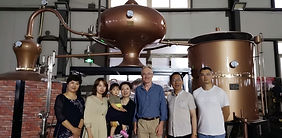
To soften and sublimate the result of distillation, the Tibet Single Malt is matured during long years (sometimes more than 50 years ) in porcelain amphora called "Jiu Hai". During this ageing, the spirit develop its delicate and subtle perfume aromas. Ageing in oak cask (ex-bourbon and French oak barrels) is then conducted at the end of the ageing period.


